
Military innovation and savings: Go commercial
DoD uses FAR Part 12 acquisitions to save hundreds of millions of dollars in “of a type” systems like civil landing systems with applicability to military aircraft.

DoD uses FAR Part 12 acquisitions to save hundreds of millions of dollars in “of a type” systems like civil landing systems with applicability to military aircraft.
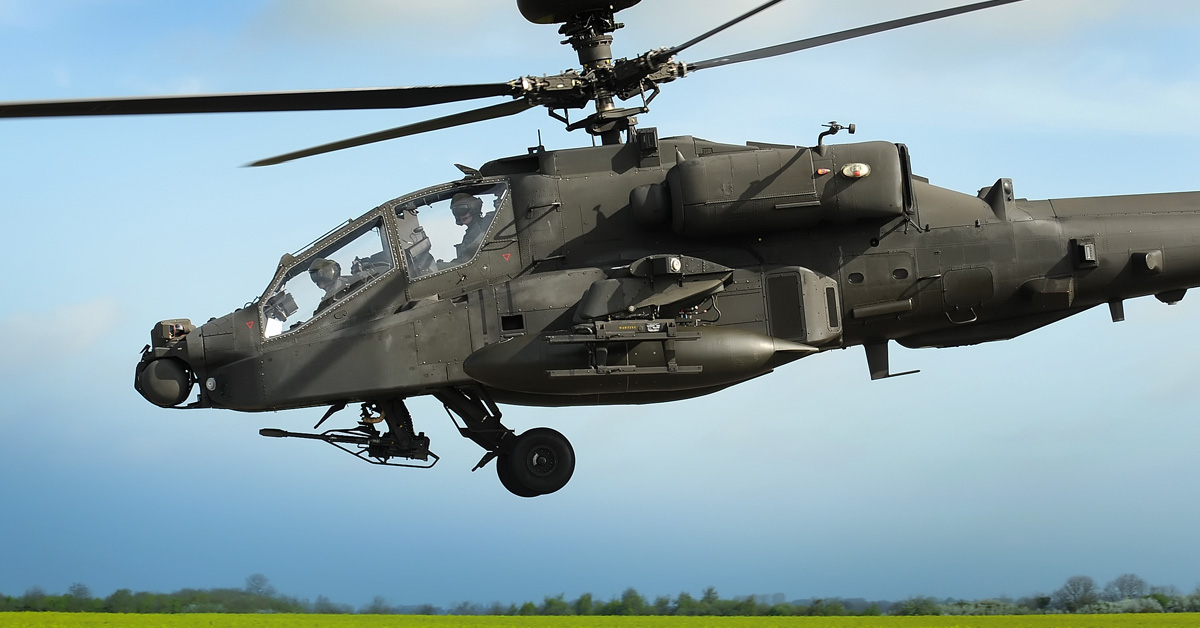
Overmatch is fleeting and while traditional acquisitions can’t always keep up with new threats, a different and approved practice can.


Expanding manufacturing capacity is critical to producing missiles, radars, and launch systems.

There are many critical connections being made across the FVL ecosystem that will also serve to modernize the current fleet.


For Future Vertical Lift, the Army wants new and innovative technology that transforms their platforms into advanced weapons systems. One such technology is Raytheon Technologies’ revolutionary RAIVEN Turret 1000, first in a new family of EO/IR systems.

Innovative integration approaches and open systems architecture can bring revolutionary improvements to the performance of FLRAA and FARA, as well as the current fleet.

While the National Defense Authorization Act (NDAA) defined “open systems” at a high-level, each branch of the U.S. military is determining what that means for them. Collins Aerospace Mosarc™ solutions can address that across next-gen systems like NGAD, FVL, and KC-X.


Lithium-metal batteries are one way to break the weight and endurance limits of today’s unmanned systems.


Boeing's innovative solutions help the U.S. maintain global dominance by deterring and defeating the threats of today — for the sake of tomorrow.

You get higher speeds with less weight and drag. Meeting speed, range and payload targets for the Army’s two Future Vertical Lift programs can be partially accomplished with transformational integrations of systems that have never been brought together before.
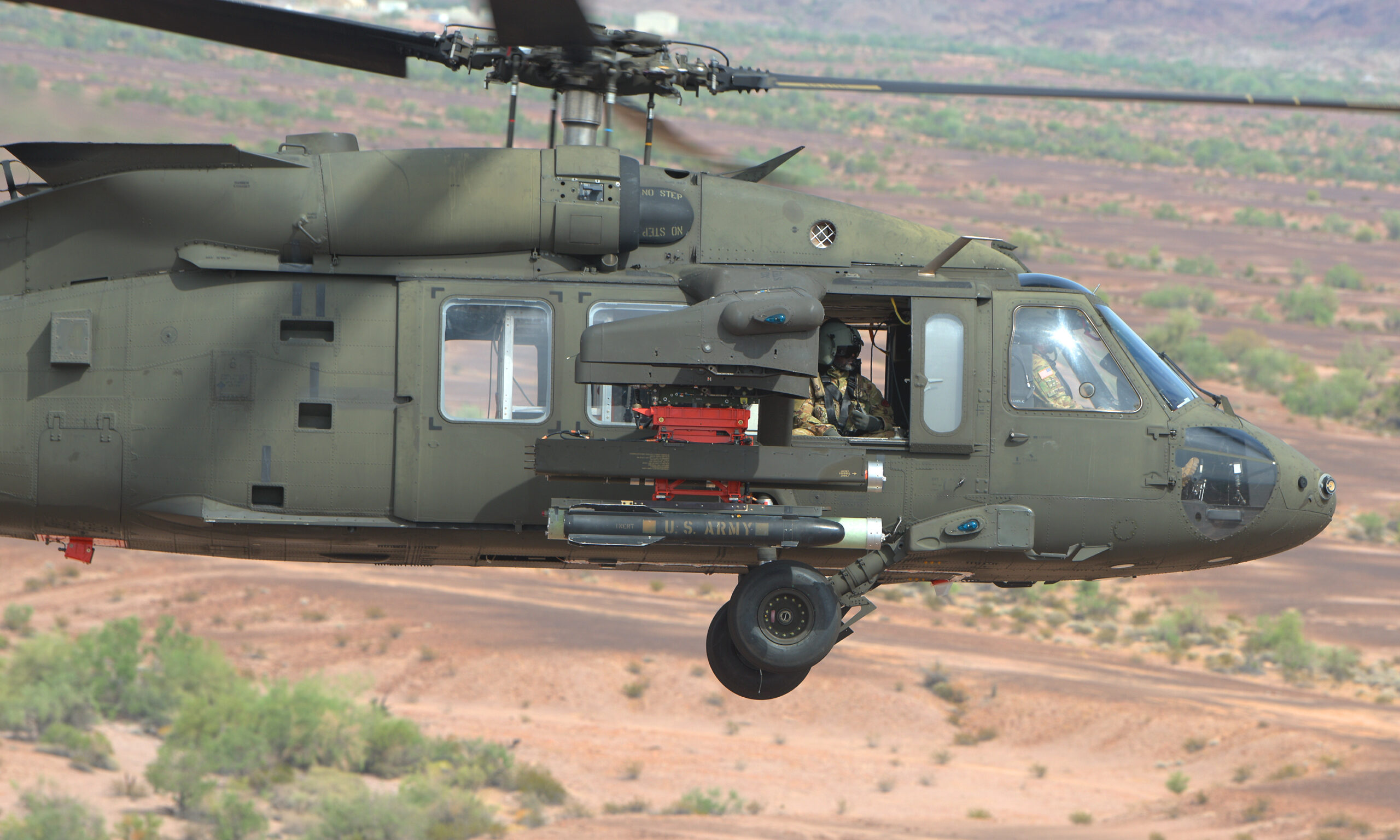
The question of whether the Defense Department or the primes should own all the data rights to various elements of the FVL program is a simplistic, false choice, says a CSBA senior fellow.

There's no one software application, wave form, or set of capabilities that can win the day against near peers. Open systems, however, are that one thing that will keep Army systems relevant in all stages of conflict.

APKWS® laser‑guidance kit provides reliable precision‑guided munitions across missions and platforms, delivered quickly to meet evolving operational demands.
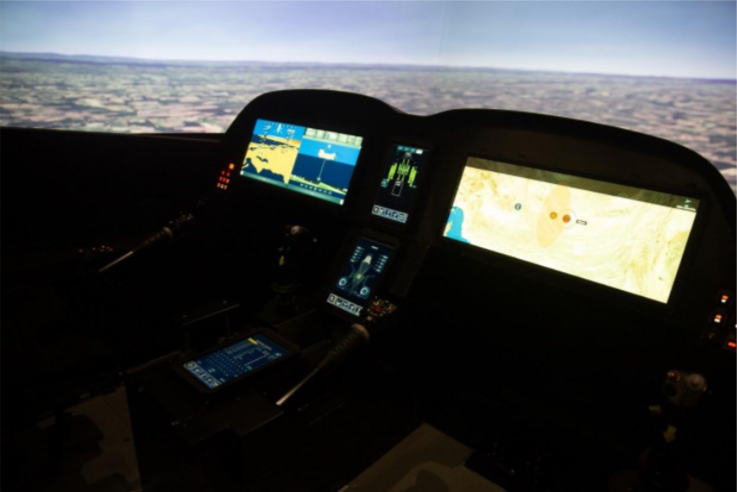
Success can only be achieved by finding common ground between the US government’s desire for MOSA and industry’s incentive to modify its current business cases.


By implementing a design-as-built methodology that digitally connects entire FVL programs throughout the lifecycle, Bell has increased its ability to collaborate in real-time with program partners and the Army to deliver new capabilities faster and more affordably.

With the Army focused on FLRAA and FARA, the question of heavy lift under the Future Vertical Lift program won’t be answered for a decade or more. In the meantime, here’s what the Army is thinking.

Autonomy will tie together aircraft, sensors, payloads, and human operators capabilities to enable humans to move from “operator” of one system to “manager” of many.